Commercial cleaning for Highbury shops on Blackstock Road
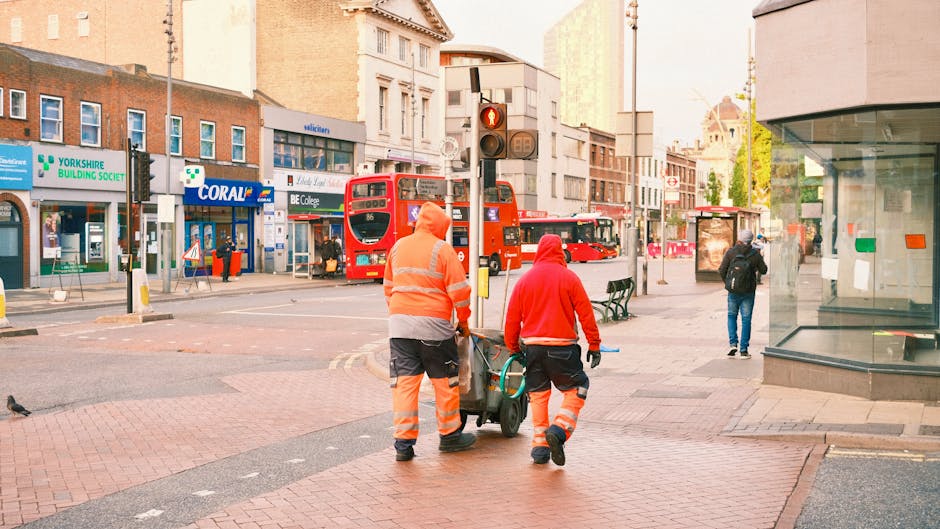
If you run a shop on Blackstock Road, you already know the feeling: a busy morning, a steady flow of customers, a bit of street dust near the entrance, fingerprints on the glass, and stock that needs to look its best. Commercial cleaning for Highbury shops on Blackstock Road is not just about making things look tidy for ten minutes. It is about keeping your shop pleasant, safe, and ready for trade, day after day.
Whether you manage a small independent store, a salon-front retail space, a convenience shop, or a boutique with a careful brand image, cleaning affects how people feel the moment they step inside. And let's face it, customers notice more than we sometimes think. Smudged counters, dull floors, and dusty shelves can quietly chip away at trust. This guide breaks down what commercial cleaning involves, how it works in real life, what good service should include, and how to choose the right approach for a Highbury shop without overcomplicating the process.
Table of Contents
- Why it matters for Highbury shops
- How the cleaning service works
- Key benefits and practical advantages
- Who needs this and when it makes sense
- Step-by-step guidance
- Expert tips for better results
- Common mistakes to avoid
- Tools, resources and recommendations
- Law, compliance, standards and best practice
- Options and comparison table
- Case study example
- Practical checklist
- Conclusion
- Frequently asked questions
Why Commercial cleaning for Highbury shops on Blackstock Road Matters
Highbury shops sit in a part of London where presentation matters. Blackstock Road sees constant everyday movement: customers arriving on foot, deliveries coming and going, and fine dust and grime building up faster than many shop owners expect. A shop can look clean at opening time and still feel tired by mid-afternoon. That is normal, but it also means cleaning needs to be planned, not improvised.
For retail spaces, cleaning is part of the customer experience. A clean floor says the business is organised. Clear windows invite people in. Fresh-smelling fitting rooms, counters, or till points make the whole visit feel easier. If you sell food, beauty products, fashion, hardware, gifts, or anything else that involves browsing, the environment quietly supports the sale. You may not hear a customer say, "I bought this because the place was clean," but the influence is there. That's the tricky bit.
There is also the practical side. Shops are exposed to more hand contact than many people realise. Door handles, card machines, baskets, shelving edges, point-of-sale areas, and display units all collect fingerprints, dust, and bacteria. Regular professional cleaning helps control that build-up and keeps your own staff working in a more pleasant environment. When the team arrives to a clean shop, the tone of the whole day changes. Honestly, that matters more than people admit.
In busy local retail areas, the weather adds its own complications. Rainy pavements, muddy shoes, wind-blown grit, and winter slush all end up indoors. Over time, that affects floor finishes and entrance areas, and if ignored, it can shorten the life of surfaces. So the cleaning plan should suit the site, not just a generic checklist. A good service understands that a neighbourhood shop near Blackstock Road needs a different rhythm from a quiet office on an upper floor.
How Commercial cleaning for Highbury shops on Blackstock Road Works
Commercial cleaning for a shop usually starts with a simple walkthrough. The cleaner or cleaning company looks at the layout, surfaces, opening hours, customer flow, and any areas that need special care. That might include display glass, tiled floors, stock rooms, staff kitchens, toilets, or high-touch points near the entrance. From there, the service is planned around your trading hours and priorities.
Most shop cleaning work falls into two broad categories: regular cleaning and deeper periodic cleaning. Regular cleaning covers the jobs needed to keep the shop presentable day to day. Deep cleaning targets the less visible build-up that accumulates over time, such as behind fixtures, around skirting boards, under displays, and in corners that are easy to forget until they look, well, a bit grim.
In practice, the work may include sweeping, vacuuming, mopping, dusting, wiping surfaces, cleaning glass, sanitising touchpoints, emptying bins, and refreshing washroom areas. For some shops, it may also include specialist work like window cleaning, hard floor cleaning, or commercial carpet cleaning where the flooring or frontage needs more than a basic tidy-up.
Timing is important. Many shops prefer cleaning before opening, after closing, or in quieter windows during the day. In our experience, this is where a lot of the value comes from. A well-run cleaning schedule should disappear into the background. Customers should notice the result, not the process.
Some businesses also want flexible support for busier periods, seasonal promotions, or post-refit resets. That is where one-off support or deeper restoration-style cleaning can help. It is a bit like resetting the shop, without disrupting trading more than necessary.
Key Benefits and Practical Advantages
The first benefit is obvious: a cleaner shop looks better. But that is only the start. A proper cleaning routine can support sales, safety, staff morale, and the lifespan of your fixtures and finishes. The advantages are practical, not just cosmetic.
- Better first impressions: Customers are more likely to feel comfortable entering a shop that looks cared for.
- Cleaner high-touch areas: Door handles, counters, card readers, and rails can be maintained properly instead of being wiped at random.
- Improved hygiene: Especially useful in food-adjacent retail, beauty, or customer service spaces.
- Longer-lasting surfaces: Floors, tiles, glass, and fittings tend to wear better when dirt is removed before it builds up.
- Less staff frustration: Your team can focus on selling and service rather than chasing dust or bins.
- Lower risk of slip and trip issues: Entrance mats, wet patches, and debris are easier to manage with a regular routine.
There is also a subtle commercial advantage that gets overlooked. A tidy shop helps the space feel calmer. When shelves are clean, glass is clear, and floors are free from sticky residue or footprints, products stand out more. Customers browse longer. Staff feel less rushed. Everyone gets a better experience. It is not magic. Just sensible upkeep.
Expert summary: For Highbury retail spaces, the best cleaning approach is usually the one that combines consistent daily maintenance with occasional deeper work. That balance protects presentation without turning cleaning into an expensive disruption.
Who This Is For and When It Makes Sense
This service is a strong fit for a wide range of shops on or near Blackstock Road. It makes sense if your premises see regular customer traffic, stock handling, display changes, or mixed-use areas that need to stay tidy throughout the week.
It is especially relevant for:
- independent retailers that rely on atmosphere and presentation
- convenience stores and local grocers
- beauty, wellness, and salon-style shopfronts
- fashion and lifestyle boutiques
- pharmacy or health-related retail environments
- shops with customer toilets or staff wash areas
- businesses with glass fronts, flooring that marks easily, or a lot of daily footfall
It also makes sense if you have recently changed layout, refreshed stock, or completed fitting work and want the premises to look properly finished. A little post-project cleaning can make a new shop feel like a business, not a building site. And that first impression after a refit is a big moment, really.
If you are only using occasional ad hoc cleaning and constantly feeling behind, that is usually a sign the shop needs a structured plan. Not necessarily more cleaning hours. Just better timing and a clearer scope.
Step-by-Step Guidance
If you are planning commercial cleaning for a Highbury shop, it helps to break the process into simple steps. That way, you can decide what to ask for and avoid paying for work you do not need.
- Walk the premises at trading pace. Look at the space as a customer would. Where do fingerprints build up? Which areas look tired by lunchtime? Where does dirt enter the shop?
- Separate daily tasks from deep-clean tasks. Daily work should cover visible, high-traffic areas. Deep cleaning can handle the less obvious build-up on a scheduled basis.
- List priority zones. Front windows, entrance mats, till points, display units, fitting rooms, staff areas, and washrooms are common priorities.
- Decide timing. Before opening, after closing, or split shifts? Choose what causes the least disruption.
- Choose suitable methods and products. A hardwood-style floor, polished tile, and laminate all need different treatment. The same goes for glass, mirrors, metals, and fabrics.
- Agree a cleaning frequency. Some shops need daily attendance. Others only need a few visits a week plus occasional deep cleaning.
- Build in quality checks. A quick review at the end of the first few visits can catch small issues before they become routine.
One simple example: a small shop with heavy footfall near the pavement might need entrance cleaning and floor care every day, but stockroom tidying only once or twice a week. Another shop, with lighter traffic and more delicate displays, may need gentler dusting and a focus on glass, mirrors, and fittings. The shape of the service should follow the shop, not the other way around.
That sounds obvious, but in practice, businesses often buy "cleaning" as a vague package and then wonder why it does not quite fit. Clear priorities fix that.
Expert Tips for Better Results
There are a few small choices that make a surprising difference. Nothing fancy. Just the kind of practical detail that keeps a shop looking sharp between visits.
- Protect the entrance first: Most dirt enters through the doorway. If the entrance looks clean, the whole shop tends to feel cleaner.
- Keep touchpoints on a short cycle: Handles, counters, rails, payment areas, and baskets need more frequent attention than low-contact surfaces.
- Use the right cloths and pads: The wrong material can smear glass or scratch delicate finishes. That is one of those annoying little problems people only notice after the damage is done.
- Match products to surfaces: Stronger does not mean better. Harsh products can dull finishes or leave residues that attract dust.
- Plan around delivery times: It is much easier to clean properly if you are not dodging crates, packaging, and staff moving stock around.
- Keep a simple handover note: A short checklist of recurring issues is often more useful than long emails. "Front glass marks by 10am" is far more helpful than a general complaint.
Another quiet win is consistency. The same cleaning pattern repeated well is usually better than an occasional burst of intense effort. Customers do not see your planning notes. They see the result, and they see it every day.
And yes, sometimes a tiny detail matters most. A clean skirting board line, a smudge-free door pull, a fresh bin area. It sounds minor until you notice it, then you cannot unsee it. Funny how that works.
Common Mistakes to Avoid
Shop owners often run into the same avoidable problems when arranging commercial cleaning. None of them are dramatic, but they can quietly undermine the service.
- Being too vague about what needs doing. If the scope is unclear, the cleaner may focus on the wrong areas.
- Assuming all surfaces are cleaned the same way. Glass, vinyl, carpet, and metal behave differently. They need different handling.
- Ignoring the entrance. If dirt keeps coming in, the whole shop will feel untidy no matter what happens elsewhere.
- Leaving deep cleaning too long. By the time build-up is obvious, it often takes more time and effort to correct.
- Forgetting back-of-house areas. Stockrooms, staff corners, and bins can affect smell, pest risk, and general order.
- Choosing the cheapest option without checking scope. The lowest quote is not much use if it excludes the tasks you actually need.
One common trap is to treat cleaning as a rescue job instead of a routine service. That can work once in a while. Not forever. If the shop keeps slipping back into the same state, the schedule probably needs adjusting, not just repeating.
Another mistake? Not thinking about seasonality. Wet-weather months, holiday trading, and sale periods all change the cleaning load. A sensible plan flexes with that rhythm.
Tools, Resources and Recommendations
You do not need a complicated toolkit to keep a shop in good condition, but the right equipment makes a real difference. For most retail settings, a solid commercial cleaning setup will include the basics for dust removal, floor care, glass care, and sanitising touchpoints.
Depending on the premises, useful services may include office-style cleaning support for back areas, regular cleaning for ongoing maintenance, and one-off cleaning when the shop needs a reset after an event, refit, or particularly busy period.
Some shop owners also find value in specialist work such as deep cleaning for detailed refreshes, or after builders cleaning if the premises have recently been altered. If flooring is a major issue, commercial carpet cleaning or hard floor cleaning can be especially worthwhile.
For a shopfront that relies heavily on presentation, clear windows and polished entry points can be as important as any internal task. That is why a practical cleaning plan often combines several methods rather than relying on one universal visit. You want the right tool for the right job. Not rocket science, thankfully.
It also helps to have a simple internal schedule or log. Nothing fancy. Just a place to note recurring issues, especially if different staff open and close the shop. A shared note can stop small problems from becoming "someone else will deal with it" problems. We have all seen those.
Law, Compliance, Standards and Best Practice
Commercial cleaning for shops should always be approached with basic UK health and safety expectations in mind. That does not mean every job is legally complex. It does mean cleaning should be done carefully, with suitable products, clear procedures, and attention to risk. Wet floors, electrical equipment, and busy customer movement all need sensible control.
Good practice usually includes keeping walkways clear during cleaning, using warning signs where floors may be slippery, storing chemicals safely, and making sure staff understand who is responsible for what. If a shop has toilets, food-adjacent products, or high-touch shared surfaces, hygiene standards matter even more. In those settings, "good enough" can slip into "not really enough" very quickly.
It is also wise to ask about insurance, training, and working methods before agreeing to any cleaning arrangement. A professional provider should be able to explain how they handle equipment, surfaces, access, and safety without making it sound mysterious. If you ever get a vague answer to a straightforward question, that is worth paying attention to.
For business owners, the practical goal is simple: reduce risk, protect the shop environment, and make sure cleaning does not introduce new problems. That includes avoiding product misuse, preventing slips, and keeping records where appropriate. Not glamorous, admittedly, but very sensible.
If sustainability matters to your business, ask how waste is managed and what product choices are used. A thoughtful recycling and sustainability approach can support your wider business values without adding hassle. That tends to go down well with staff too.
Options, Methods, or Comparison Table
Different shops need different levels of support. The best option is not always the most intensive one. Sometimes a lean routine is enough; sometimes the shop needs a fuller service package. The table below gives a simple comparison.
| Option | Best for | Typical strengths | Watch-outs |
|---|---|---|---|
| Daily light commercial cleaning | Busy shops with steady customer flow | Keeps presentation stable, handles high-touch zones, prevents build-up | May not tackle deeper grime or neglected areas |
| Weekly scheduled cleaning | Smaller shops or lower-footfall premises | Cost-effective, reliable, easy to plan | Can struggle during wet weather or peak trading periods |
| Periodic deep cleaning | Shops that already have a day-to-day routine | Targets hidden build-up, restores tired surfaces, supports seasonal resets | Not a replacement for regular upkeep |
| Combined cleaning package | Retailers wanting continuity and flexibility | Balanced, adaptable, suitable for mixed-use premises | Needs clear communication so nothing gets missed |
In real terms, a combined package often works best for shops on Blackstock Road because trading patterns can change quickly. A rainy week, a sale event, or a new display launch can all change the amount of cleaning required. A bit of flexibility goes a long way.
Case Study or Real-World Example
Picture a small independent shopfront with a glass entrance, a compact retail floor, and a back stock area that doubles as a staff space. The owner keeps the front tidy during the day, but by Thursday the floor starts to look tired, the glass picks up smears, and the entrance mat gathers grit from wet shoes. Nothing disastrous. Just enough to make the place feel less polished than it should.
A sensible cleaning plan would focus on three things: the entrance, the display area, and the back-of-house space. Daily work would cover the visible retail floor, glass, bins, and touchpoints. A weekly deeper clean would deal with harder-to-reach dust, corners near fixtures, and any lingering marks on flooring or fittings. Once that rhythm is in place, the owner stops firefighting. Staff notice the difference immediately, and so do customers, even if they do not say it out loud.
This kind of setup is common in Highbury. Small shops rarely need dramatic intervention. What they need is steady attention, the right priorities, and a cleaner who understands that a shop is a living space with moving parts, not a static room. That's the whole game, really.
Sometimes the biggest improvement comes from sorting the entrance area first. Once that looks sharp, the rest of the shop tends to follow. Funny how the eye works.
Practical Checklist
Use this checklist when reviewing or arranging commercial cleaning for your shop:
- Have you listed the highest-traffic areas?
- Are the entrance, windows, and floor care covered clearly?
- Do you know what is cleaned daily and what is cleaned less often?
- Have you identified any delicate surfaces or specialist flooring?
- Are bins, stockroom corners, and staff areas included?
- Is the cleaning time set to avoid disruption to customers?
- Are products and methods suitable for each surface?
- Do you know who handles safety checks and access?
- Have you asked about insurance and reliability?
- Is there a clear way to report issues or missed tasks?
If you can tick most of these off, you are already ahead of the curve. If not, no drama. It just means the cleaning plan needs a bit more structure.
Get a free quote today and see how much you can save.
Conclusion
Commercial cleaning for Highbury shops on Blackstock Road is about more than keeping the place neat. It supports presentation, hygiene, staff comfort, and customer confidence in one go. Done properly, it becomes part of how your shop operates, not an extra chore hanging over the day.
The best approach is usually practical and steady: clean the entrance well, protect the surfaces that matter most, build a sensible schedule, and add deeper cleaning where it genuinely helps. That is the kind of routine that holds up in the real world, especially in a busy London retail setting where weather, footfall, and trade patterns all change the picture from week to week.
If you are weighing up your next steps, start with the areas customers notice first and the areas staff deal with every day. Small improvements there can make the whole shop feel calmer, brighter, and more welcoming. And that feeling? It matters. A lot more than people think on a wet Tuesday morning.
Frequently Asked Questions
What does commercial cleaning for a Highbury shop usually include?
It usually includes dusting, vacuuming or sweeping, mopping, bin emptying, surface wiping, touchpoint cleaning, glass care, and attention to customer-facing and staff areas. Some shops also need floor care or window cleaning.
How often should a shop on Blackstock Road be cleaned?
That depends on footfall, shop layout, and what you sell. Busy shops often need daily cleaning, while smaller or lower-traffic premises may manage with a few visits a week plus periodic deep cleaning.
Is deep cleaning different from regular commercial cleaning?
Yes. Regular cleaning keeps the shop presentable day to day. Deep cleaning goes after the build-up that settles in corners, under fixtures, around edges, and other hard-to-notice places.
Can commercial cleaning be done outside opening hours?
Yes, and for many shops that is the easiest option. Early morning or evening cleaning usually causes less disruption and helps the shop open or close in better condition.
What should I prioritise first in a retail shop?
Start with the entrance, windows, floors, counters, and other high-touch areas. Those are the spaces customers notice straight away, and they have the biggest effect on first impressions.
Do small shops really need professional cleaning?
Often, yes. Even small shops collect dust, foot traffic dirt, fingerprints, and spill risk. A professional routine helps keep standards consistent without taking time away from trading.
How do I know if my current cleaning routine is not enough?
If the shop looks tired before the end of the day, if the same areas keep being missed, or if staff are constantly doing ad hoc tidying, the routine probably needs more structure or a better scope.
Is commercial carpet cleaning useful for shops?
It can be very useful if your shop has fitted carpet, entrance mats, or carpeted back areas. Clean carpets help with appearance, smell, and general upkeep, especially in busy periods.
What should I ask before choosing a cleaning provider?
Ask what is included, how often they work, what products they use, whether they carry insurance, how they handle access and safety, and how missed tasks are reported and corrected.
Can cleaning help reduce slip risks in a shop?
Yes. Regular cleaning of entrances, wet areas, and floors helps reduce build-up that can become slippery. Good practice also includes using warning signs where needed and keeping walkways clear.
Does sustainability matter in commercial cleaning?
It can matter a lot, especially if your business wants to reduce waste or use more responsible methods. Ask about product choice, waste handling, and recycling practices.
What is the biggest mistake shop owners make with cleaning?
Usually it is being too vague. If the cleaning brief is unclear, the important areas may not get the attention they need. A simple, specific plan tends to work much better.