Highbury and Islington station rug cleaning guide
If you live, work, or commute through this part of North London, rug care tends to get pushed down the list. Then one rainy day, a muddy footprint appears by the door, or the hallway rug starts holding on to that faint damp smell that London weather loves to leave behind. This Highbury and Islington station rug cleaning guide is here to make the whole thing simpler, less guessy, and a lot more practical. You will find clear steps for cleaning different rug types, advice on what to avoid, and a few local-minded tips for dealing with everyday city grit, pet mess, and busy-traffic wear.
Whether you are sorting a delicate wool rug, a sturdy synthetic runner, or a well-loved statement piece that has seen a few too many winters, the aim is the same: clean it properly without damaging fibres, colour, or backing. Let's face it, rugs are awkward. They are too big for a quick wipe, but too personal to treat like just another floor covering.
- Why rug cleaning matters around Highbury and Islington station
- How rug cleaning works
- Key benefits and practical advantages
- Who this guide is for
- Step-by-step rug cleaning guidance
- Expert tips for better results
- Common mistakes to avoid
- Tools, resources and recommendations
- Law, compliance, standards and best practice
- Options and method comparison
- Real-world example
- Practical checklist
- Conclusion
- Frequently asked questions
Why Highbury and Islington station rug cleaning guide Matters
Rugs in a busy London setting pick up more than visible dirt. Fine dust from shoes, a bit of street moisture, food crumbs from rushed dinners, pet hair, and the occasional spill all settle into the pile. Around a transport hub like Highbury and Islington, foot traffic tends to bring in extra grime, especially in entrance halls, living rooms, home offices, and shared spaces. If a rug is left too long, the dirt works deeper into the fibres, and simple vacuuming stops being enough.
That matters for a few reasons. First, rug fibres can start to look dull and tired long before the rug is actually worn out. Second, trapped grit acts a bit like sandpaper, which slowly breaks down the pile. Third, odours cling to textile fibres, so a rug that looks fine can still carry a stale smell, especially in older flats or damp-prone rooms. Truth be told, that is usually when people realise they need a proper clean rather than a quick once-over.
This guide is also useful if you are comparing professional cleaning options. If you want a broader look at textile care, the site's rug cleaning service information and carpet cleaning service pages are good starting points, especially if the rug sits in a room that also needs a deep refresh.
For landlords, tenants, families, pet owners, and small businesses alike, rug cleaning is not just about looks. It is about hygiene, longevity, and keeping a room feeling lived-in rather than neglected.
How Highbury and Islington station rug cleaning guide Works
Rug cleaning is not one single method. The best approach depends on the fibre, construction, size, dye stability, and how dirty the rug is. A wool rug, for example, needs a gentler touch than a synthetic flatweave. A hand-knotted piece may also need more careful moisture control than a machine-made rug that can tolerate stronger agitation.
In practical terms, the process usually follows a few stages. First you identify the material and check for any care label or fibre clues. Then you remove loose dust with vacuuming or a soft beating method. After that, you test cleaning products in a small hidden area. Only once that is done should you move on to spot treatment or full cleaning. Skipping the test patch is how people end up with bleached corners or colour bleed. Not ideal. Not at all.
Professional rug cleaning often uses either low-moisture or more intensive wet-cleaning methods, depending on the item. Some rugs are best treated with controlled hot water extraction, while others need dry or specialist cleaning. A seasoned cleaner will usually assess pile direction, backing condition, fringe type, and any previous repairs before choosing a method. If you are dealing with a more delicate rug, it helps to review related services like upholstery cleaning and curtain cleaning, because the same caution around fibres and dyes often applies.
Think of rug cleaning as a sequence, not a single spray-and-wipe job. That mindset alone prevents a lot of mistakes.
Key Benefits and Practical Advantages
A properly cleaned rug does more than brighten a room. It changes how a space feels underfoot, how it smells, and even how well the fibres hold up over time. You notice it the moment you step into the room. Softer pile, cleaner scent, less of that dusty background feeling. Small thing, but it matters.
- Better appearance: colours look richer and patterns stand out again.
- Improved hygiene: dust, allergens, and everyday debris are reduced.
- Longer rug life: less grit means less fibre wear.
- Odour control: useful after pets, spills, cooking smells, or damp weather.
- Better room feel: the whole space feels fresher and more cared for.
There is also a practical money angle. A good rug can be expensive to replace, especially if it is wool, vintage, or custom-sized. Regular cleaning helps protect that investment. For busy households, a maintenance approach may make sense alongside regular cleaning for the home, so rugs are not constantly being rescued from the edge of chaos.
If your rug sits near a door, under a dining table, or in a pet zone, you will probably see the benefit sooner than you expect. Those are the places that quietly take the most punishment.
Who This Is For and When It Makes Sense
This guide is for anyone dealing with a rug that has lost its fresh look or needs more than routine vacuuming. It is especially useful if you live near the station and your home gets a lot of in-and-out traffic, but honestly the same advice applies anywhere in London where weather and pavement grime are part of daily life.
It makes sense for:
- homeowners who want to maintain nicer rugs for longer;
- tenants preparing for a move or end-of-tenancy check;
- landlords and letting agents with furnished properties;
- pet owners dealing with hair, odour, or accident spots;
- busy households that simply do not have the time for careful textile care;
- small offices, studios, or reception spaces with decorative rugs;
- Airbnb hosts who need spaces to feel clean, polished, and ready for guests.
For moving homes, rug cleaning can fit neatly with move-out cleaning or move-in cleaning. And if the rug is part of a larger reset after decorating or repairs, it may be worth looking at one-off cleaning or even after builders cleaning so the whole room gets back to normal properly.
A quick rule of thumb: if vacuuming does not lift the dullness, or if the rug still smells after airing out, it is time to step up the method.
Step-by-Step Guidance
Here is a straightforward process you can follow at home. It is deliberately conservative, because the safest clean is usually the one that respects the fabric.
- Check the rug type. Wool, cotton, silk, jute, synthetic, and blended rugs all behave differently. If you are not sure, assume it is delicate until proven otherwise.
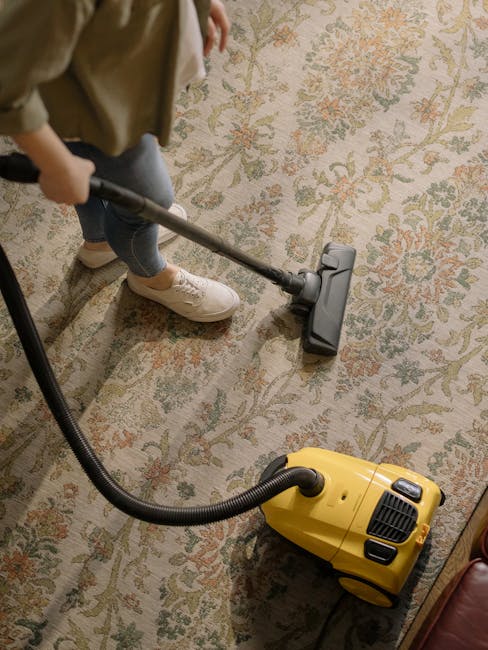
- Vacuum both sides. If the rug can be safely lifted, vacuum the front and the back. This removes loose grit before moisture is introduced.
- Test first. Apply a tiny amount of cleaning solution in a hidden area. Wait for colour change, fibre distortion, or residue.
- Treat spills gently. Blot, do not rub. Rubbing just pushes the stain deeper and roughens the fibres. It really does.
- Use the right cleaning approach. Light stains may only need spot cleaning. Heavier soiling may need a deeper wash or professional extraction.
- Control moisture. Use as little water as possible for fragile rugs. Too much moisture can cause backing damage, rippling, mildew, or dye movement.
- Dry flat. Lay the rug flat in a ventilated space. Keep it away from direct high heat, which can distort fibres and shrink some materials.
- Brush or reset the pile. Once dry, gently realign the fibres if needed so the rug looks even again.
If the rug has a persistent smell or there is a pet accident, more targeted treatment may be needed. In that case, services such as pet stain odour removal or stain removal can be a better fit than a general clean.
One practical note: if a rug is very large or awkward, move furniture first and clear the area. Trying to work around a coffee table with one hand and a towel in the other is a bit of a mess, to be fair.
Expert Tips for Better Results
Small adjustments make a big difference. People often focus on the stain itself, but the surrounding routine matters just as much.
- Vacuum regularly, not just when it looks dirty. Fine grit sinks down before it is visible.
- Rotate the rug. This evens out wear from walking routes and sunlight.
- Use entrance mats. A simple mat by the door catches a surprising amount of dirt before it reaches the rug.
- Work from the outside of a stain inward. That prevents spreading.
- Keep cleaning products mild unless you know the fibre can handle more. Strong chemicals are not a badge of honour.
- Dry thoroughly before putting furniture back. Heavy items on damp pile can leave dents and slow drying.
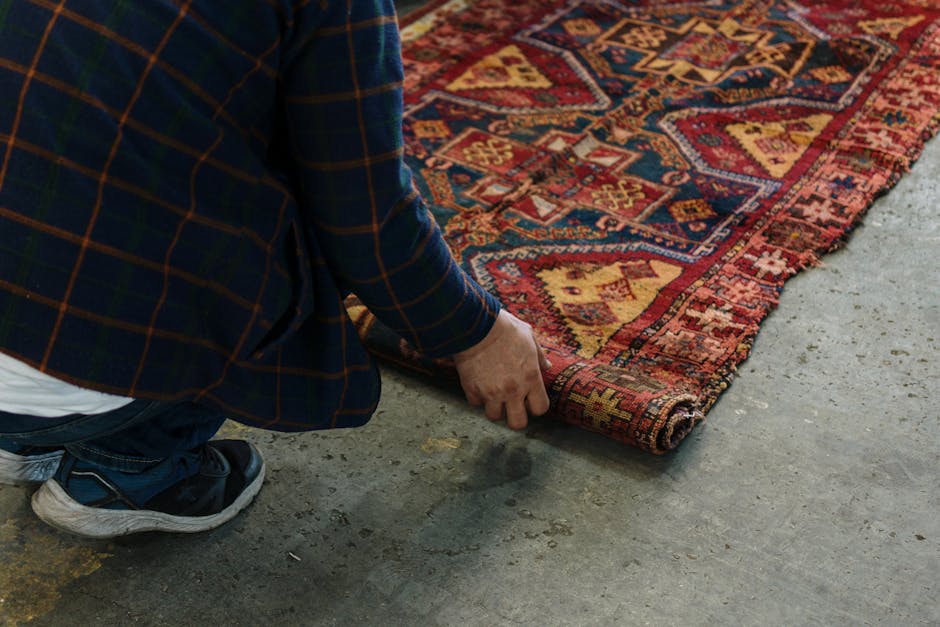
Another useful habit: check the underside now and then. Backing issues, fraying seams, or tiny areas of mould often show there first. A five-second look can save you a much bigger problem later.
If you are cleaning rugs in shared or commercial spaces, the same care applies, but with more attention to scheduling and drying time. That is where commercial cleaning and communal area cleaning can fit into a wider maintenance plan.
Common Mistakes to Avoid
Most rug damage happens during cleaning, not because the rug was dirty in the first place. A bit dramatic, maybe, but true.
- Scrubbing hard: it frays fibres and spreads stains.
- Using too much water: this can lead to shrinkage, dye run, mildew, or slow drying.
- Skipping the test patch: a classic mistake, and one that is annoyingly easy to avoid.
- Using bleach or harsh general cleaners: these can strip colour and weaken materials.
- Cleaning only the visible top: dirt often sits below the surface too.
- Putting the rug back before it is fully dry: trapped moisture is trouble.
- Ignoring fringes and edges: they are often the first part to show damage.
There is also a timing issue. If a spill sits for days, it bonds more tightly with the fibres and the chance of a clean removal drops. Quick action really helps. Even just blotting with plain water and a clean cloth can make a difference until you are ready for a proper clean.
And yes, sometimes the best move is to stop. If the rug is antique, silk, heavily dyed, or already fragile, pressing on with a DIY clean can make matters worse.
Tools, Resources and Recommendations
You do not need a huge kit to care for rugs well. A sensible set of basics is usually enough for routine maintenance and small spills.
| Tool or product | Best use | Why it helps |
|---|---|---|
| Vacuum with adjustable suction | Routine dust removal | Protects delicate pile while lifting grit |
| White microfibre cloths | Blotting spills | Leaves less lint and helps you see transfer clearly |
| Soft brush | Loosening surface dirt or resetting pile | Gentle on fibres if used carefully |
| Mild rug-safe cleaner | Spot treatment | Reduces the risk of colour damage |
| Dry towels | Absorbing extra moisture | Speeds drying and limits backing damage |
For people who prefer professional help, the most relevant service pages to compare are steam carpet cleaning, deep cleaning, and one-off cleaning. Those services can be especially useful when a rug is part of a broader room refresh rather than an isolated job.
If you are budgeting, it also helps to look at pricing and quotes before booking anything. Clear expectations upfront are boring, maybe, but very useful.
Law, Compliance, Standards, or Best Practice
Rug cleaning is not a heavily regulated activity in the way some specialist trades are, but there are still sensible UK standards and best practices to keep in mind. The main thing is safe handling: correct product use, careful moisture management, and reasonable protection for people and property.
In a domestic or commercial setting, a good cleaner should work with appropriate risk awareness, especially when using equipment, moving furniture, or handling cleaning agents. That means reading product labels, using ventilation, and avoiding any unsafe mix of chemicals. It also means respecting the rug material itself. A cautious approach is not overcautious; it is just good practice.
If you are hiring someone, it is reasonable to ask about insurance, safety procedures, and how they handle delicate or high-value rugs. On this website, the relevant background pages are insurance and safety and health and safety policy. Those pages help set expectations about responsible service delivery, and that is exactly the sort of reassurance people want when a rug has sentimental or financial value.
For tenants and landlords, rug condition can also matter in the wider context of property handover. Keeping textile items clean and documenting any pre-existing wear is simply good practice, especially during move-related cleaning.
Options, Methods, or Comparison Table
Choosing the right rug cleaning method depends on the item in front of you. There is no universal winner. Here is a plain-English comparison.
| Method | Best for | Pros | Watch out for |
|---|---|---|---|
| Vacuuming and spot care | Light maintenance and fresh spills | Fast, cheap, safe for most rugs | Won't remove deep-set grime |
| Low-moisture cleaning | Delicate or moisture-sensitive rugs | Gentler drying and lower risk | May not suit very heavy staining |
| Hot water extraction | Durable rugs with deeper soiling | Thorough clean, good for embedded dirt | Needs correct drying and fibre assessment |
| Professional specialist cleaning | Wool, antique, silk, handmade, or badly stained rugs | Lower risk for tricky items | Cost and turnaround may be higher |
If you are unsure, err on the side of caution. A sturdy synthetic rug can usually tolerate more intervention than a handmade wool runner, but even then, you do not want to overdo it. A lighter approach, repeated well, often beats one aggressive clean.
Case Study or Real-World Example
A practical example: a couple living in a flat near the station had a medium-sized wool-blend rug in their living room. It looked dull, had a light coffee mark near one side, and had started to carry a faint "closed room" smell after a wet spell. Nothing catastrophic, just one of those small problems that slowly gets on your nerves.
They first vacuumed both sides, then lifted the rug and checked the underside for moisture and wear. The coffee mark had set a little, so they tested a mild cleaner at the corner. The colour held, which was a good sign. They blotted the stain gently, used very limited moisture, and left the rug to dry flat with good airflow. After drying, the pile was brushed back into place and the room felt noticeably fresher.
The key lesson was simple: they had not waited until the rug was visibly ruined. That made the clean easier, cheaper, and a lot less stressful. If the rug had been more delicate, or if the stain had been worse, a professional clean would have been the safer call. Honestly, sometimes the smartest DIY decision is knowing when to stop.
For larger household resets, rug care often sits alongside domestic cleaning or house cleaning, because once one textile looks tired, the rest of the room usually wants attention too.
Practical Checklist
Use this quick checklist before you start.
- Identify the rug material and backing if possible.
- Check for labels, damage, loose threads, or previous repairs.
- Vacuum both sides if the rug can be safely lifted.
- Test any cleaner in a hidden area.
- Blot spills instead of rubbing them.
- Keep moisture to a minimum on delicate rugs.
- Allow full drying in a ventilated space.
- Brush the pile back once dry.
- Inspect for lingering odour or repeat staining.
- Book professional help if the rug is valuable, fragile, or heavily soiled.
Quick takeaway: the safest rug clean is usually the one that starts gently, dries properly, and respects the fibre. That sounds basic, but it saves a lot of expensive mistakes.
Get a free quote today and see how much you can save.
Conclusion
A good rug can anchor a room, soften the noise of everyday life, and make a home feel finished. But in a busy area like Highbury and Islington, rugs also take a beating from city traffic, wet shoes, dust, pets, and general daily use. The trick is not to wait until the rug looks beyond help. Small, steady care goes a long way.
If you remember only one thing from this guide, make it this: know the fibre, test before cleaning, and dry thoroughly. Do that, and you will protect both the look and the lifespan of the rug. If you need more than a light refresh, professional support can make the difference between a decent result and a proper revival.
And really, that is the goal here. Not perfection. Just a cleaner, calmer room that feels good to walk into at the end of the day.
Frequently Asked Questions
How often should a rug be cleaned in a busy London home?
It depends on foot traffic, pets, and where the rug sits. A high-use rug near an entrance or in a living room usually benefits from regular vacuuming and a deeper clean when it starts to look flat, dull, or hold odour.
Can I clean a wool rug myself?
Yes, but carefully. Wool is resilient in some ways and sensitive in others. Use minimal moisture, mild products, and always test a small hidden area first. If the rug is expensive, antique, or heavily stained, professional cleaning is the safer option.
What is the best way to remove a fresh stain from a rug?
Blot it immediately with a clean white cloth and work from the outside of the stain inward. Avoid scrubbing. If needed, use a tiny amount of rug-safe cleaner after testing it first. Speed matters more than force.
Why does my rug still smell after vacuuming?
Vacuuming lifts loose dirt, but it will not remove deep-set odours from spills, pets, or dampness. In those cases, a deeper clean or targeted pet stain odour removal treatment may be more effective.
Is steam cleaning safe for every rug?
No. Steam or hot-water methods can be great for some durable rugs, but they are not suitable for every fibre or backing. Delicate rugs may need low-moisture or specialist care instead.
How long does a rug take to dry after cleaning?
Drying time varies with material, room airflow, and how much moisture was used. A well-managed clean should dry flat with good ventilation. If the rug feels damp for too long, that is a sign the process used too much water.
Can I use normal carpet cleaner on a rug?
Not always. Some carpet cleaners are too strong for fine fibres, dyes, or fringe details. A rug-safe product is the better choice, especially for natural fibres or handmade items.
Should I clean the back of the rug as well?
Yes, if the rug can be safely handled. The underside often holds dust and grit, and cleaning both sides helps improve the overall result. It also gives you a chance to spot backing damage early.
What should I do if the rug colour starts to bleed?
Stop cleaning immediately and avoid adding more water. Blot gently and let the rug dry. Colour bleed usually means the rug needs a more cautious approach, and in some cases specialist help.
Is professional rug cleaning worth it for an everyday rug?
Often, yes. If the rug is in a high-traffic area or you simply want it to last, a professional clean can extend its life and restore appearance more reliably than home cleaning alone.
How do rug cleaning and carpet cleaning differ?
Carpets are fixed in place and usually cleaned with the room context in mind. Rugs are removable, so they can often be cleaned more carefully, inspected from both sides, and dried separately. That flexibility is useful, but it also means the material needs proper assessment.
Where can I find more information about service options?
You can review related pages such as rug cleaning, steam carpet cleaning, and pricing and quotes to compare what suits your situation best.