Highbury Fields upholstery cleaning for period homes
Posted on 14/06/2026
Highbury Fields upholstery cleaning for period homes: a practical guide for protecting character, comfort, and fabric life
Period homes around Highbury Fields have a charm you can feel the moment you step inside: original mouldings, generous proportions, sash windows, maybe a slightly creaky floorboard or two. And then there's the upholstery. A velvet armchair that has seen a few winters. A linen sofa that looks beautiful until the afternoon light reveals every mark. A dining chair set that's too good to replace, but too precious to clean carelessly.
Highbury Fields upholstery cleaning for period homes is not just about making furniture look tidy again. It is about preserving fabric, protecting older interiors, and keeping the room feeling fresh without stripping away the patina that makes a period property feel like home. In practice, that means choosing methods that suit delicate textiles, older stuffing materials, and the lived-in reality of family life, guests, pets, and the occasional coffee mishap.
This guide walks through what the process involves, how to judge the right cleaning approach, where mistakes happen, and what a careful homeowner should expect. If you are comparing options, or simply trying to work out whether that faded patch on the sofa needs a proper clean or a gentler touch, you're in the right place.
For broader background on local services and home care in the area, you may also find the services overview and about us pages useful.
Why Highbury Fields upholstery cleaning for period homes matters
Period homes create a different cleaning challenge from newer flats or recently renovated houses. The furniture often has more character, more age, and more variation in fabric type. You may be dealing with a three-piece suite recovered years ago, an antique occasional chair, or a modern replacement piece that still needs gentle handling because the room itself is old and airy and full of natural light.
Why does that matter? Because furniture in period properties is often part of the home's visual story. A good clean should not make a sofa look factory-new if that would feel wrong in the room. It should refresh, brighten, remove embedded dirt, and preserve the texture and colour balance that suit the property.
There is also a practical side. In older houses around Highbury Fields, dust settles into soft furnishings quickly. High ceilings, draughts, and busy family routines all play a part. Add pets, children, entertaining, or a lot of daily use, and upholstery can pick up body oils, grime, and odours long before it looks obviously dirty. Truth be told, many people only notice once the sunlight hits it at a strange angle in the morning.
Good upholstery care also helps avoid premature wear. Dirt particles behave a bit like grit; they abrade fibres every time you sit down, shift cushions, or brush against the fabric. Regular cleaning is not cosmetic vanity. It is maintenance, plain and simple.
For readers who are also thinking about the wider home, local context can help. Highbury's housing stock includes elegant older terraces and flats with long-term owner occupation, and related local guides such as historic and modern Highbury highlights and living in Highbury offer a useful sense of the area's character.
Expert takeaway: In period homes, upholstery cleaning is as much about preservation as appearance. The best result is often the one that leaves the room feeling cleaner without making the furniture look over-processed.
How Highbury Fields upholstery cleaning for period homes works
There is no one-size-fits-all method. A careful cleaner starts by identifying the fabric, the age or condition of the furniture, and the nature of the soiling. That sounds straightforward. In real life, it is where good results begin.
1. Inspection and fabric identification
The technician should look for the care label where available, check for colour fastness, and assess signs of wear such as thinning, frayed seams, loose stitching, or faded areas. If the item is vintage or heavily altered, the approach becomes more cautious. A quick patch test in an unobtrusive area is usually sensible.
2. Dry soil removal
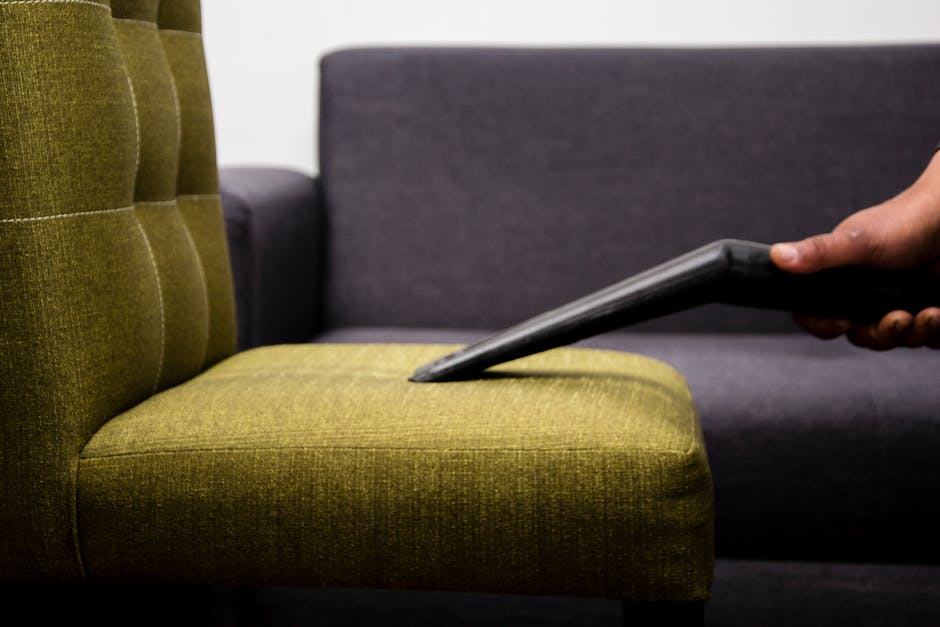
Before any liquid or foam touches the fabric, loose dust and debris should be removed with controlled vacuuming and upholstery attachments. This step matters more than many people realise. Skipping it can turn surface dust into muddy residue once moisture is introduced.
3. Stain and spot assessment
Different marks need different treatment. A wine splash, greasy handprint, muddy footprint, and water ring are not the same problem. Period home upholstery often includes mixed fabrics or trims, so spot treatment needs restraint. More product is not better. It rarely is.
4. Cleaning method selection
Depending on the fibre and construction, the cleaner may use low-moisture cleaning, controlled hot water extraction, dry cleaning methods, foam cleaning, or targeted hand cleaning. Delicate fabrics and antique pieces often need minimal moisture and careful agitation. Heavier-duty upholstery can sometimes handle a deeper wash.
5. Extraction or residue removal
Where wet methods are used, extraction helps remove both soil and cleaning solution. For dry or low-moisture approaches, residue is lifted through absorbent pads, controlled brushing, or careful towel work. This part is important because leftover detergent can attract fresh dirt faster than you'd like.
6. Drying and grooming
Proper drying is especially important in period homes, where ventilation can vary from room to room. Cushions may be reset, fibres groomed, and the fabric left to dry naturally with airflow. A rushed finish can leave water marks, stiffness, or a flat texture. Nobody wants a sofa that looks as if it's had a hard week.
In many homes, upholstery care is part of a broader maintenance routine alongside carpet cleaning in Highbury or house cleaning services, especially when the property is busy or occupied by a family.
Key benefits and practical advantages
The obvious benefit is visual. Clean upholstery lifts a room immediately. Colours look sharper, cushions feel fresher, and the whole space stops feeling a bit tired around the edges. But there are deeper advantages too.
- Better fabric longevity: regular cleaning reduces grit and built-up soils that wear down fibres.
- Improved indoor freshness: upholstery absorbs odours from cooking, pets, smoke, and daily life.
- Healthier-feeling rooms: dust and debris are reduced, which is especially useful in older properties where soft furnishings are plentiful.
- Preservation of original character: carefully cleaned furniture complements period interiors instead of clashing with them.
- Better value from quality furniture: a good clean can extend the life of a piece that would otherwise need reupholstering or replacement.
There is also a less obvious benefit: confidence. When the furniture looks and smells clean, people use the room differently. You invite guests in without glancing nervously at the sofa. You stop putting blankets over every seat to hide marks. That sounds small, but it changes how a home feels day to day.
For landlords and owners preparing a property for sale or letting, freshness matters too. If you're balancing home presentation with the practicalities of the local market, articles like navigating the Highbury real estate market and Highbury property sales and acquisitions are worth a look.
Who this is for and when it makes sense
This kind of cleaning is not only for antiques, and not only for people who host guests every weekend. It suits a wide range of households in Highbury Fields and the surrounding streets.
Homeowners in period properties
If you own a Victorian, Edwardian, Georgian, or simply older home with original features, upholstery often needs more careful attention than standard furniture in a modern build. Fabric and stuffing can be more fragile than they look.
Renters in well-kept period flats
Tenants often want furniture to feel fresh without risking damage. A light, professional clean can help restore a sofa, armchair, or dining chair set before an inspection or a move. If moving day is coming up, it may also sit alongside end of tenancy cleaning in Highbury.
Landlords and letting agents
For furnished lets, upholstery condition affects first impressions. Marks, odours, and dull fabric can make an otherwise decent flat feel neglected. A cleaner, brighter lounge helps with viewings. It's one of those small things that makes the whole place feel sorted.
Families and pet owners
Daily life is daily life. Children eat on sofas, dogs nap on armchairs, and muddy shoes happen even when nobody planned for them to. If you live with this reality, regular upholstery care saves a lot of stress later.
People preparing for events or guests
Maybe you've got relatives staying, a dinner party planned, or a milestone birthday at home. If you're already thinking about entertaining, you might also enjoy ideas for party venues in Highbury. A refreshed lounge or dining area helps the whole property feel more welcoming.
Step-by-step guidance
If you want to approach upholstery cleaning sensibly, not nervously, here's a practical way to think about it.
- Identify the fabric and construction. Check labels if present. Look at seams, buttons, piping, and cushion filling. Leather, velvet, linen, wool blends, and synthetic fabrics all behave differently.
- Photograph current condition. This is useful before any work begins, especially on older or expensive pieces. It helps you compare results and notice if something changes.
- Test for colour fastness. On period furnishings, a small hidden test is a must. Fading or dye bleed can be a real headache.
- Vacuum thoroughly. Use upholstery tools and take your time around creases, tufts, and armrests.
- Treat spots carefully. Use the least aggressive method that makes sense. A tiny coffee ring does not need a battle royale.
- Choose the right cleaning method. Match the method to the fibre, not to how dirty it looks on the surface.
- Dry properly. Allow airflow, keep cushions spaced out if possible, and don't sit on it too soon just because it looks almost dry.
- Reassess after drying. Some marks improve as the fabric settles. Others may need a second, gentler pass.
If the piece is particularly old, or if you suspect hidden damage, it may be wise to discuss options before anything is applied. In some cases, a conservative clean preserves value better than a deep clean that is too enthusiastic.
Expert tips for better results
Over time, a few habits make a genuine difference. Not flashy tricks. Just sensible things that stop problems before they start.
- Clean sooner, not later. Fresh marks are usually easier to remove than set-in stains.
- Blot, don't rub. Rubbing can spread the stain and rough up the pile.
- Keep an eye on sun exposure. In period homes with large windows, fabric fades unevenly over time.
- Rotate cushions. Even wear helps a sofa age more evenly.
- Avoid over-wetting. Too much moisture can cause water marks, shrinkage, or musty smells.
- Ask about drying time. If a room has poor airflow or heavy curtains, drying may take longer than expected.
- Mind the surrounding materials. Older wood trim, polished floors, and decorative finishes can be affected by overspray or careless handling.
A small but useful tip: if you're cleaning a whole room, tackle upholstery after dusting and before heavy floor cleaning. That way, any dust dislodged during the upholstery work can be managed in one final sweep. Simple, but it saves effort.
And yes, sometimes the best tip is to stop poking at a stain every ten minutes. Give the fabric time. It often tells you more once it has dried.

Common mistakes to avoid
Most upholstery damage from cleaning does not come from dramatic disasters. It comes from small, avoidable errors.
Using the wrong product
Strong cleaners can strip dyes, leave residues, or change the feel of the fabric. That's especially risky with older upholstery and mixed fibres.
Over-wetting the fabric
Period homes often have fabric that looks robust but behaves delicately. Too much moisture can create rings, deepen stains, or take ages to dry.
Skipping a test patch
This is one of the easiest things to do wrong. A hidden patch test may feel tedious. It is still worth it.
Ignoring the filling or frame
Cleaning the outer fabric is only part of the job. Cushions, padding, and wooden frames can all react differently to moisture.
Trying to remove every mark aggressively
Some stains, especially older ones, may lighten but not disappear completely. Pushing harder can make the problem worse. In upholstery, a partial improvement done safely is better than a risky "perfect" result.
Putting furniture back into service too early
People are impatient. Fair enough. But using upholstery before it is properly dry can lead to smell, spotting, or renewed soiling.
If you're also comparing service needs across the home, it may help to look at the wider cleaning picture through domestic cleaning in Highbury or office cleaning if your day-to-day responsibilities extend beyond the home. Not every service is relevant for every reader, but it helps to know what exists.
Tools, resources and recommendations
You do not need a van full of gadgets to care for upholstery properly. In many homes, a modest toolkit and a sensible routine are enough.
| Tool or resource | Why it helps | Best use |
|---|---|---|
| Upholstery vacuum attachment | Lifts dust from seams, buttons, and creases | Routine maintenance and pre-clean prep |
| Microfibre cloths | Useful for blotting and gentle surface work | Spot treatment and residue removal |
| Soft brush | Helps loosen surface debris without harsh abrasion | Delicate pile fabrics and dried residue |
| Fan or natural airflow | Supports even drying | After wet or low-moisture cleaning |
| Fabric care label | Gives the first clue about what is safe | Before any cleaning begins |
| Professional inspection | Reduces the risk of damage on valuable pieces | For antique, fragile, or high-value items |
If you are choosing a provider, look for clear explanations, realistic expectations, and a willingness to assess the furniture rather than just quote from a photo and hope for the best. That sounds obvious. It isn't always the norm, though.
Trust and transparency matter too. Before booking, some readers like to check practical pages such as pricing and quotes, payment and security, and insurance and safety. Those pages help set expectations, which is often half the battle.
Law, compliance, standards, or best practice
Upholstery cleaning in a domestic setting is not usually about heavy regulation, but there are still important best-practice expectations. A careful provider should work in line with sensible health and safety principles, use products appropriately, and avoid causing damage to furnishings, floors, or surrounding areas.
In a period home, best practice usually means:
- checking fabric suitability before treatment
- using chemicals sparingly and only where appropriate
- managing slips, trip hazards, and wet surfaces
- protecting surrounding finishes such as woodwork or decorative trims
- being honest when a stain cannot be removed safely
- respecting the home and its contents throughout the visit
For service quality and customer confidence, it helps if a business has clear public information on complaints, terms, privacy, and safety. Pages such as complaints procedure, terms and conditions, privacy policy, and health and safety policy are useful markers of that approach.
There is also a practical ethical dimension. Good cleaners should be prepared to explain methods plainly, offer realistic outcomes, and decline work that may harm a fragile item. That restraint is part of professionalism, not a lack of skill.
Options, methods, or comparison table
Choosing the right upholstery cleaning method is often about balance. You want enough cleaning power to remove soil, but not so much moisture or agitation that you flatten fibres or disturb the structure. Here is a simple comparison.
| Method | Best for | Strengths | Watch-outs |
|---|---|---|---|
| Low-moisture cleaning | Delicate fabrics, period furniture, lightly to moderately soiled pieces | Reduced drying time, gentler on sensitive materials | May not fully remove deep-set staining |
| Hot water extraction | Durable upholstery with heavier soil | Deep soil removal, strong refresh effect | Too much moisture for some older or fragile fabrics |
| Foam or encapsulation-style cleaning | General maintenance on suitable fabrics | Controlled application, moderate drying time | Needs correct application and thorough residue removal |
| Hand cleaning / spot treatment | Antique items, trims, delicate areas | Very targeted, highly controlled | Labour-intensive, not ideal for broad heavy soiling |
| Dry cleaning solvent methods | Some sensitive fabrics where water is unsuitable | Useful where moisture should be limited | Should only be used by someone who understands fabric compatibility |
In period homes, the "best" method is often the least aggressive one that still achieves a meaningful clean. That may sound cautious, but careful is usually smarter than dramatic.
Case study or real-world example
A typical Highbury Fields scenario goes something like this. A homeowner has a pair of armchairs in a sitting room with tall windows and a view that gets beautiful afternoon light. The chairs are comfortable, older, and not especially valuable in a collector sense, but they suit the room perfectly. Over time, the arms have darkened slightly, the seat cushions have lost brightness, and one cushion has a faint tea mark from an unhelpful Sunday morning.
The first instinct is often to attack the stain. But with older upholstery, that can be where trouble starts. A better approach is to inspect the fabric, vacuum first, and test a small hidden area. In this kind of home, a low-moisture method may be enough to lift the general dullness while a careful spot treatment deals with the tea mark. The result is usually not "brand new" - and that's okay. It looks cleaner, fresher, and still appropriate to the age of the room.
What the homeowner notices most is not just the visual difference. It is the feeling of the space. The chairs smell cleaner, the room feels lighter, and the fabric no longer makes them slightly apologetic when guests sit down. That shift is small, but real.
In our experience, that is what period-home upholstery care should do. Improve the room without shouting about it.
Practical checklist
Use this checklist before arranging upholstery cleaning in a period home:
- Check the fabric type and any care labels available
- Identify whether the piece is antique, vintage, or simply older
- Note stains, odours, fading, and areas of wear
- Photograph the furniture before cleaning
- Ask whether a patch test will be carried out
- Confirm the cleaning method suits the fabric
- Ask about drying time and ventilation needs
- Move breakables, lamps, and nearby items out of the way
- Protect floors and nearby woodwork if needed
- Allow the upholstery to dry fully before regular use
Quick reassurance: if you are unsure about a particular chair or sofa, that's normal. Period homes are full of pieces that don't fit neat categories. A careful inspection usually answers more than a guess ever will.
Conclusion
Highbury Fields upholstery cleaning for period homes is ultimately about respect: respect for the fabric, the furniture, and the character of the building itself. The right cleaning approach should refresh the room, protect delicate materials, and support the way you actually live in the space. It should not force a modern, overly polished look onto a home that works because of its age and detail.
If you remember only one thing, make it this: older upholstery often needs a gentler, more thoughtful process than standard furniture. That doesn't mean compromising on cleanliness. It means cleaning with judgement.
For further reading about the local area and related home-care services, you can explore the real cost of end of tenancy cleaning in Highbury N5 or revisit the main blog for more local guidance.
Get a free quote today and see how much you can save.