Islington Council rules for cleaning waste disposal Highbury
Posted on 06/06/2026

Islington Council rules for cleaning waste disposal Highbury: a practical guide for homes, landlords and cleaners
If you live or work in Highbury, rubbish rules can feel oddly specific at the worst possible moment. One minute you are finishing a deep clean, the next you are staring at sacks, broken packaging, an old vacuum, or a pile of move-out waste and wondering what actually counts as legal disposal. That is exactly where the Islington Council rules for cleaning waste disposal Highbury come in. The short version: separate waste properly, present it the right way, use council services for larger items when needed, and avoid leaving anything on the street unless it is meant to be collected.
This guide breaks the topic down in plain English. You will see what the rules mean in real life, how they affect cleaning jobs and day-to-day household waste, the common mistakes people make, and the most sensible way to stay tidy without creating a problem for your neighbours or your building. To be fair, it is one of those local topics that sounds boring until it becomes urgent.
Why Islington Council rules for cleaning waste disposal Highbury matters
Highbury sits in a part of London where space is tight, pavements are busy, and a small rubbish mistake can become very visible very quickly. A bag left out too early, a broken chair dumped beside a bin store, or liquids poured into the wrong container can create mess, odours, vermin risk, and complaints from neighbours. That is why local waste rules are not just a council formality. They shape how clean a property feels, how smoothly a tenancy ends, and whether a cleaning job finishes properly or becomes a second task.
For renters, the issue often appears at the end of a tenancy. For landlords and letting agents, it is about presenting a property well and avoiding last-minute snagging. For homeowners, it is the everyday reality of keeping communal areas decent. And for professional cleaners, it is part of doing the job responsibly rather than simply making a property look neat for an hour. If a team can finish a clean but leaves the waste in a way that breaches local rules, the job is only half done.
In practice, the rules matter because they affect:
- how household waste is sorted and stored;
- what can go into normal bins and what needs special disposal;
- how bulky items are removed;
- what happens to excess waste after a deep clean or move-out;
- the appearance and hygiene of shared hallways, front gardens and bin areas;
- the risk of penalties, complaints or refused collections.
If you are planning a deep clean, especially before a sale or tenancy handover, it helps to understand the bigger picture. Our local guide to living in Highbury is useful for the day-to-day context, while those dealing with moving timelines may also find our Highbury property market guide helpful when cleaning intersects with a sale or letting deadline.
How Islington Council rules for cleaning waste disposal Highbury works
Think of the system in layers. First comes everyday household waste. Then recycling. Then items that are too large, too awkward, or too hazardous for a normal bin. Once you understand those layers, the rules are much less mysterious.
For standard cleaning waste, the expectation is straightforward: separate recyclable materials from residual waste, keep food waste out of the wrong stream, and present the bins properly for collection. For a cleaning session, that usually means bagging general waste securely, flattening cardboard if possible, and not mixing in items that should go elsewhere, such as electrical equipment, paint, sharp objects, or chemical containers.
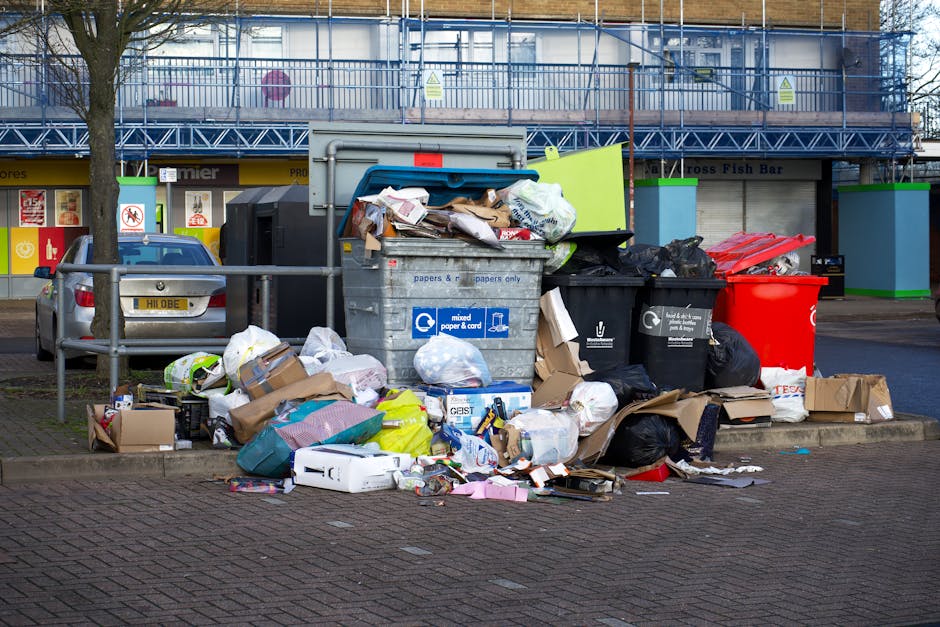
Bulky waste is where people often get caught out. A sofa, mattress, old shelves, or large broken household items generally should not be left beside communal bins and forgotten. If you have ever seen a pile appear outside a block on a Friday evening and somehow still be there on Monday, you already know how quickly this becomes everyone's problem. Larger waste usually needs a dedicated collection or an authorised disposal route.
Cleaning waste from a property refresh can also include things people overlook:
- used cloths and disposable wipes;
- empty product containers;
- vacuum contents;
- dust bags and filters;
- broken fixtures removed during a clean-up;
- old curtains, rugs, or bedding that are not fit for normal reuse;
- small amounts of builder-style debris after minor repairs.
One important clarification: a cleaning task does not automatically mean all rubbish can be handled in the same way. A deep clean after tenants move out is very different from a routine weekly tidy. It is also different again from office clearance or post-event waste. If the waste stream changes, the disposal method may need to change too. That sounds obvious, but it is the bit people miss on a rushed day.
If you are using a service for home maintenance, the broader offer on our services overview can help you see where cleaning and waste handling fit together. For jobs involving fabric, soft furnishings and items that pick up odours fast, upholstery cleaning in Highbury can also be relevant, because discarded textiles are often treated differently from general rubbish.
Key benefits and practical advantages
Following the rules properly brings more than compliance. It makes the whole property feel under control. That is a big deal in a place like Highbury, where shared entrances, narrow streets and busy bin stores can make even small messes feel larger than they are.
The main benefits are practical, not abstract:
- Cleaner shared spaces - less overflow, less smell, fewer pests, fewer neighbour complaints.
- Lower risk of refused collections - if bins are contaminated or overfilled, the whole thing can stall.
- Less chance of fines or enforcement headaches - especially where waste is dumped in the wrong place.
- Smoother end-of-tenancy handovers - waste and cleaning are often judged together.
- Better presentation for sale or letting - first impressions matter, and rubbish at the kerb kills a good clean fast.
- Less stress for cleaners and residents - everyone knows what goes where.
There is also a financial angle. Proper sorting can reduce the number of trips, reduce the chance of needing emergency disposal, and avoid unnecessary call-backs. If you are budgeting for a major clean, it is worth reading the real cost of end-of-tenancy cleaning in Highbury N5 so waste disposal does not become a surprise extra.
Expert summary: the best waste disposal plan is usually the simplest one that is still correct. Sort early, keep hazardous items separate, and do not leave bulky waste waiting on the street "just for a bit". That phrase causes more problems than it solves.
Who This Is For and When It Makes Sense
This topic matters to more people than you might think. It is not only for professional cleaners or people moving out. In fact, most waste disposal mistakes happen during ordinary life: a weekend declutter, a spring clean, a kitchen replacement, or a small office tidy-up after a busy month.
It is especially relevant for:
- Tenants who need to leave a property clean and clear of rubbish.
- Landlords and agents who want to avoid messy handovers and complaint-driven delays.
- Homeowners doing deep cleans, clear-outs or renovation prep.
- Professional cleaners who need to manage waste responsibly during a job.
- Office managers dealing with paper waste, packaging, broken office items and general clutter.
- Event hosts who need fast post-event tidying after food, bottles, decorations and packaging build up.
It makes sense to think about the rules before the mess reaches the front door. A party finish at 11:30 p.m. on a Saturday is not the time to discover the bin store is already full. If you are planning a gathering, our article on party venues in Highbury may give you ideas, but the boring bit after the party matters too.
And yes, there are moments when you will simply need a more structured approach. A one-off clear-out before moving house, for instance, can create enough mixed waste to justify planning in advance. If that sounds familiar, the move-related perspective in Highbury property sales and acquisitions may be useful background reading.
Step-by-Step Guidance
Here is the simplest way to handle cleaning waste disposal in Highbury without overthinking it.
- Identify the waste type first. Separate general rubbish, recycling, food waste, bulky items, textiles, and anything potentially hazardous.
- Check what can go in existing bins. If the item is small, dry and suitable for normal collection, bag it properly and place it in the right stream.
- Set aside items that need special handling. Electricals, sharp items, liquids, paints, batteries, and larger furniture should not be treated like regular bin waste.
- Contain loose mess. Use strong bags, sealed boxes, or tied sacks so debris does not spill into communal areas or the street.
- Schedule bulky removal if needed. Do not wait until the night before a handover. Build in time for collection or transport.
- Clean the disposal area too. A tidy room is good, but so is a clean bin store, hallway, or kerbside area after the waste leaves.
- Document anything relevant. For tenancy or managed property work, keep a quick record of what was removed and how.
A lot of people skip step one and jump straight to "bin it". That is where things go sideways. It is a bit like cleaning a kitchen but ignoring the grease under the extractor. You can do it, but the result feels unfinished.
For move-out or post-renovation cleaning, the broader service pages for end of tenancy cleaning in Highbury and house cleaning in Highbury may help if you are deciding how much of the job you want professionally handled. If the property needs regular upkeep rather than a one-off reset, domestic cleaning is often the more realistic fit.
Expert Tips for Better Results
There are a few small habits that make waste disposal much easier, and honestly, they save time more than they take.
- Keep a "cannot go in the bin" box. Put batteries, cables, light bulbs, and other awkward bits in one place during the clean.
- Use a separate sack for wet waste. It prevents drips, smell, and the classic "everything now smells faintly of mop water" problem.
- Flatten cardboard as you go. It saves space and makes recycling far less annoying.
- Do a final bin-store sweep. Small bits of packaging and loose dust often end up in hallways.
- Time the disposal around collection days where possible. If you miss the slot, waste can sit around far too long.
- Ask about building rules in blocks of flats. Some buildings are stricter than the street rules, which can catch people off guard.
One practical trick that works surprisingly well: stage the waste in categories before the clean begins. Even a simple set-up with "keep", "recycle", "bin", and "special disposal" can prevent a lot of confusion later. It is not glamorous. It is effective.
For businesses or shared buildings, office cleaning in Highbury is a useful reference point because workspaces tend to produce mixed waste streams very quickly. Paper is easy. Packaging is easy-ish. Broken equipment, not so much. And if you are dealing with a sudden spill or urgent clean-up, same-day carpet cleaning and emergency service can be relevant where waste and contamination happen together.
Common Mistakes to Avoid
Most waste problems are not dramatic. They are small, repeated habits that become annoying over time. That is usually how it goes.
- Leaving bags beside overfull bins and assuming someone will sort them out.
- Mixing recycling with food waste because "it's only a bit".
- Dumping bulky items near communal bins without arranging collection.
- Forgetting sharp or hazardous items in general rubbish sacks.
- Overfilling sacks so they split in the hallway or lift.
- Assuming a deep clean means disposal is covered unless that has been agreed clearly.
- Ignoring building rules in flats, estates or managed properties.
Another one that appears more often than you would expect: people clean the property beautifully, then leave the waste decision until the end. By that point it is late, the room is empty, and the bin plan is suddenly guesswork. Not ideal. If you want to avoid unwelcome surprises in service expectations and add-ons, our guide to hidden cleaning charges in Highbury is worth a look.
Let's face it, nobody enjoys the waste stage. But it is often the thing that protects the whole result.
Tools, Resources and Recommendations
You do not need a massive kit to manage waste well. In most homes, a few sensible items are enough.
| Tool or item | Best use | Why it helps |
|---|---|---|
| Strong refuse sacks | General cleaning waste | Reduces splitting and mess |
| Recycling boxes or crates | Cardboard, dry recyclables | Keeps materials separated |
| Sturdy gloves | Handling dirty or awkward items | Improves safety and grip |
| Labels or marker pens | Sorting and staging waste | Prevents confusion in shared spaces |
| Brush and dustpan | Final sweep after disposal | Leaves bin areas tidy |
| Sealable tubs | Liquids, small parts, hazardous odds and ends | Stops leaks and accidental contact |
For many residents, the best "resource" is not a fancy tool at all. It is a habit: sort before you carry. If you want a broader sense of how the company supports safe and reliable work, see our health and safety policy and insurance and safety information. Those pages are especially useful when waste handling overlaps with cleaning equipment, wet floors, or awkward items.
If you are planning a bigger clean, it can also help to review pricing and process details in advance rather than scrambling on the day. Our pricing and quotes page is the right place to start when you want the numbers to make sense before work begins.
Law, Compliance, Standards and Best Practice
This topic touches everyday waste management rather than a single niche rule. The safe approach is to follow the normal duties expected of households, landlords, businesses and anyone producing waste in a shared urban area. In plain English, that means storing waste correctly, keeping different waste types apart where required, and handing items over through lawful collection or disposal routes.
For cleaning waste disposal in Highbury, the practical best practice is simple:
- do not leave waste where it blocks pavements or access routes;
- do not place unsuitable items in regular bins;
- do not assume fly-tipping is acceptable because it is "just one item";
- do not overstuff communal containers;
- do keep any special waste separate until it can be dealt with properly;
- do follow building and tenancy instructions where they are stricter than the baseline household habit.
If you are a landlord or managing a property, it is wise to have a consistent process. That avoids disputes about who removed what, and when. It also helps with end-of-tenancy inspections, where waste left behind can create the kind of friction nobody wants at 4:55 p.m. on a Friday.
For businesses, the standard is usually higher simply because waste volume and duty of care tend to be more visible. That is where office and domestic cleaning schedules need to be matched with disposal planning rather than treated as separate tasks.
Options, Methods and Comparison Table
Different waste situations call for different methods. There is no one-size-fits-all answer, and that is probably the most useful thing to remember.
| Method | Best for | Pros | Watch out for |
|---|---|---|---|
| Normal council collection | Everyday household waste | Simple, familiar, low effort | Must be sorted and presented correctly |
| Recycling separation | Dry recyclables, cardboard, bottles, cans | Reduces landfill waste | Contamination can spoil the load |
| Bulky item collection | Furniture, mattresses, large broken items | Suited to large one-off items | Needs planning and may require booking |
| Professional cleaning with disposal planning | End-of-tenancy, deep cleans, office resets | More organised, less stress, fewer mistakes | Make sure scope is clear in advance |
In practical terms, the decision usually comes down to volume and timing. A small kitchen refresh may be fine with standard bins and recycling. A full flat clear-out after tenants leave is another story altogether. That is where a professional clean can save a lot of back-and-forth, especially when the old items are awkward, wet, or simply too much for one person to manage in an evening.
Case Study or Real-World Example
Here is a simple real-world style example from a typical Highbury move-out situation.
A two-bedroom flat has been vacated after a long tenancy. The kitchen is cleanable, but there are still cardboard boxes, broken hangers, a damaged chair, food packaging, and a pile of mixed rubbish in one corner. The tenants want the place ready for inspection by the next day. The landlord wants the hallway left clear, because the building manager is already annoyed about previous waste issues. Classic.
The clean works best in three stages:
- sort the waste into recycling, general rubbish and bulky items;
- bag and seal the small waste, then clear the bin store or disposal point;
- remove the chair and other bulky pieces through the proper route rather than leaving them outside.
That approach does two things at once. It makes the property look genuinely ready, and it avoids the awkward moment where the flat is spotless but the waste pile outside says something different. If you have ever done a final walk-through with a set of keys in one hand and a bin bag in the other, you know the feeling. The clean is done, but not quite done.
In jobs like this, matching the disposal plan to the clean matters as much as the scrubbing itself. That is why many local residents prefer to book help that covers the full scope rather than piecing things together at the last minute.
Practical Checklist
Use this checklist before you finish a clean or clear-out in Highbury.
- Have I separated recycling, general waste and bulky items?
- Are any electricals, batteries, liquids or sharp objects set aside safely?
- Are all waste bags sealed properly?
- Will the items fit into the correct bin or collection route?
- Have I checked the bin day or collection timing?
- Is anything left in a hallway, front garden, stairwell or pavement space?
- Do I need a bulky waste collection or another disposal method?
- Have I cleaned the disposal area after removing the waste?
- Have I confirmed any property-specific or building-specific rules?
- Is the final space ready for inspection, occupancy or daily use?
If the answer to any of those is no, pause and sort it out now. It saves trouble later. Simple, but true.
Get a free quote today and see how much you can save.
Conclusion
The Islington Council rules for cleaning waste disposal Highbury are not really about paperwork. They are about keeping local homes, blocks and streets usable, tidy and fair for everyone who shares them. Once you understand the difference between normal household waste, recycling, bulky items and special disposal needs, the whole thing becomes much easier to handle.
For everyday residents, the goal is clean bins and clear surfaces. For tenants, it is a smooth handover. For landlords and cleaners, it is a finish that looks complete, not halfway there. And for everyone else, it is just one of those quiet habits that makes a neighbourhood feel looked after. Not glamorous, but you notice when it is missing.
Do the sorting early, keep the system simple, and do not leave the waste question until the last five minutes. A calm, well-managed disposal plan can save time, stress and a lot of awkward conversations. And honestly, that is worth a fair bit.