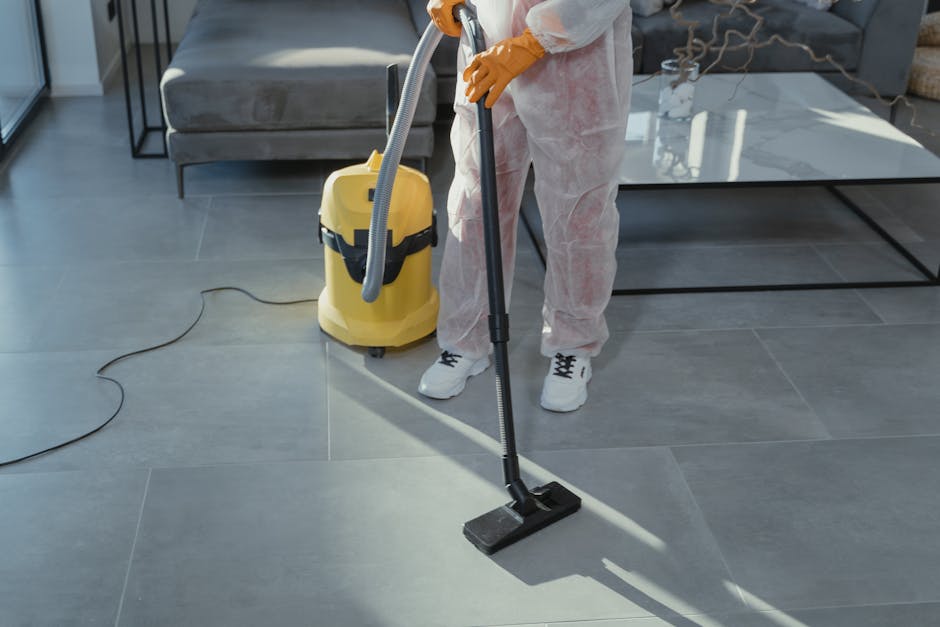
Top reasons landlords choose professional cleaning in Highbury

Let's face it: being a landlord is rarely as simple as collecting rent and answering the odd message. In Highbury, where homes can be busy, characterful, and sometimes a little more lived-in than the photos suggest, presentation matters. The top reasons landlords choose professional cleaning in Highbury usually come down to three things: saving time, reducing risk, and handing over a property that feels properly cared for. Whether you manage one flat or a small portfolio, professional cleaning can make the difference between a stressful turnaround and a smooth one.
In this guide, we'll look at why landlords book professional cleaners, how the process works, what to expect, and where it makes the biggest practical difference. You'll also find a checklist, a comparison table, and a realistic example from a typical Highbury rental handover. Nothing fluffy. Just the stuff that actually helps when keys need to be returned and the next tenant is due in at 9 a.m.
Why professional cleaning matters for landlords in Highbury
A well-cleaned property is not just about looking nice. For landlords, it affects lettability, tenant confidence, maintenance outcomes, and, in many cases, how smoothly a tenancy starts or ends. Highbury has a strong mix of period flats, converted buildings, family homes, and compact rental properties, and each one shows wear in slightly different ways. A hallway carpet can hold onto muddy footprints. A kitchen can quickly build up grease near the hob. A bathroom can look tired even when it is technically functional. Professional cleaning handles those details in a way that everyday domestic cleaning often does not.
There is also the simple fact that tenants notice standards immediately. They may not say much at the viewing, but they notice. Fresh-smelling rooms, clean skirting boards, polished hard floors, streak-free windows, and properly cleaned ovens all send a message: this place has been looked after. That matters whether you are marketing to professionals, families, or sharers.
For landlords trying to reduce void periods, professional cleaning can be one of the most practical investments. A property that presents well usually photographs better, attracts quicker interest, and gives prospective tenants fewer reasons to hesitate. And if a tenancy has ended messy - well, that is when you really feel the value of a proper reset.
Many landlords also use services such as end of tenancy cleaning or move out cleaning to get a property back to a consistent standard between lets. For larger or more damaged spaces, a more intensive deep cleaning approach can be the difference between a surface tidy and a genuinely ready-to-rent property.
How professional cleaning works
Professional cleaning for landlords usually follows a simple but structured workflow. First comes the assessment. That might be a walkthrough, photos, or a quick conversation about the property's condition and what needs attention most urgently. Then the cleaner or cleaning team decides whether the job needs a one-off refresh, a full deep clean, or a targeted service such as carpet, oven, or window cleaning.
For example, if a tenant has moved out and left the kitchen in decent shape but the oven is lined with grease and the carpets are visibly marked, the cleaner may combine oven cleaning with carpet cleaning or even steam carpet cleaning. That's usually more efficient than trying to handle every part of the property in the same way.
A good professional service is typically methodical. Cleaners work room by room, starting with the dirtiest or most time-sensitive areas. Kitchens and bathrooms come first in many cases because they affect first impressions the most. Next are floors, carpets, windows, upholstery, and smaller touchpoints like handles and switches. If there are fabric items that have absorbed dust, smells, or pet hair, services such as upholstery cleaning or sofa cleaning can help restore them properly rather than just masking the issue.
Landlords with shared buildings may also need support in entrance halls, stairwells, or bin-store areas. In those cases, communal area cleaning is worth considering, because the whole building feels cleaner when the shared spaces are looked after too. That part is easy to overlook, but tenants absolutely do not overlook it.
Key benefits and practical advantages
There are plenty of reasons landlords book professional cleaners, but a few stand out again and again.
- Better presentation at viewings: Clean properties show better in person and in photos.
- Faster changeovers: Professional cleaners can work to a deadline and focus on priority areas efficiently.
- More consistent standards: A repeatable checklist is useful when managing multiple lets.
- Reduced disputes: Clearer cleanliness standards can help avoid arguments at check-out.
- Less pressure on landlords and agents: You do not need to personally spend an afternoon scrubbing a fridge shelf. Which, frankly, is a blessing.
- Better care for fixtures and finishes: The right methods help protect carpets, floors, and fabrics.
Another major benefit is targeting the things that tenants tend to judge most harshly. Kitchens, bathrooms, carpets, windows, and ovens are the usual suspects. A grime-free hob and a freshly cleaned sink can change the feel of a property almost instantly. So can a room that no longer smells damp, smoky, or like last week's takeaway.
Landlords also appreciate flexibility. Some properties only need a one-off reset, while others benefit from a more regular arrangement. For example, if you own a small rental near busy streets or with high foot traffic, a regular cleaning arrangement may be more practical than waiting for issues to pile up. The same is true for houses with carpets, pets, or frequent tenant turnover.
Key takeaway: professional cleaning is not just a finishing touch. It is a risk-reduction tool, a presentation tool, and a time-saver all rolled into one.
Who this is for and when it makes sense
This service is useful for a wide range of landlords, but it is especially relevant if any of the following sounds familiar:
- You manage an end-of-tenancy handover with a tight deadline.
- The property has carpets, upholstery, or curtains that hold onto dust and odours.
- A previous tenant has left the home looking clean enough at first glance, but not actually ready for immediate use.
- You are preparing for new marketing photos and want the property to stand out.
- You have inherited a property that needs a serious reset before reletting.
- You are comparing a quick tidy against a proper professional clean and suspect the cheaper option may cost more later.
It also makes sense after building works, decorating, or repairs. Dust from plastering and trade work settles in odd places - behind radiators, along window sills, and into carpet fibres. In those cases, after builders cleaning can be extremely helpful because it deals with that fine dust rather than simply moving it around.
For landlords offering furnished rentals or short stays, the requirements can be even sharper. A furnished flat has more surfaces, more fabrics, and more ways to look tired. If that sounds familiar, services like Airbnb cleaning can also be relevant when the property turns over quickly and every day counts.
Truth be told, not every landlord needs every service every time. But when a property is about to be occupied again, professional cleaning often makes obvious sense.
Step-by-step guidance
If you are thinking about booking a professional clean, here is a straightforward way to approach it.
- Walk through the property honestly. Not with a hopeful glance. Really look. Smell the kitchen. Check corners, skirting, behind appliances, and window edges.
- List the priority problems. Separate what is visibly dirty from what might cause complaints later: oven grease, carpet stains, limescale, pet smells, dusty curtains, and the like.
- Decide whether you need targeted or whole-property cleaning. A light turnaround may only need one-off cleaning, while a neglected property may need a full deep clean.
- Match the service to the materials. Carpets need different treatment from hard floors. Fabric sofas need different care from leather chairs. This part matters more than people think.
- Set the timing carefully. Ideally, schedule the clean after removals and repairs, but before final photos, viewings, or key handover. Small timing mistakes can create extra work.
- Confirm access and expectations. Make sure the cleaner knows about parking, keys, alarms, lift access, and any fragile areas.
- Inspect the result with a clear eye. Check the rooms that matter most to tenants: kitchen, bathroom, floors, windows, and odour-prone areas.
If the property includes carpets or rugs, ask about treatment options rather than assuming one method suits everything. A quality rug cleaning service, for instance, can be a better choice than a quick surface vacuum, especially in living rooms where wear is concentrated. The same goes for marks and spills - targeted stain removal can save a textile that would otherwise look too worn for a new tenancy.
Expert tips for better results
In our experience, the best outcomes come from a few simple habits. They are not glamorous, but they work.
- Use the property's condition as your brief. "Clean the flat" is vague. "Kitchen grease, oven, bathroom scale build-up, hallway carpet, and window tracks" is useful.
- Clean fabrics before they start smelling. Curtains, sofas, and mattresses can hold onto odours long before they look bad. That's annoying, but true.
- Do not forget touchpoints. Light switches, cupboard handles, banisters, and skirting boards make a surprisingly big difference to how a property feels.
- Ask for the right specialist service. A general clean is great, but an oven that has been ignored for months usually needs oven cleaning, not a quick wipe.
- Make cleaning part of your turnover routine. Repeating the same process each time keeps standards consistent and makes planning easier.
A small but useful tip: if a property is being photographed, clean before the sun hits the windows and exposes every streak. Morning light is brilliant for showing off a room; it is also ruthlessly good at showing you what you missed. A bit unfair, really.
For landlords with a lot of soft furnishings, curtain cleaning and mattress care can make a property feel noticeably fresher without a full refurbishment. And if pets have been in the property, a dedicated pet stain odour removal treatment may be the difference between "fine" and "pleasant."
Common mistakes to avoid
A lot of landlord cleaning problems come from the same handful of mistakes. Avoiding them saves money and keeps turnaround days calmer.
- Assuming a quick tidy is enough. It often is not, especially after a long tenancy.
- Cleaning in the wrong order. If repairs, decorating, or removals are still happening, you may have to do the job twice.
- Overlooking hidden dirt. Under beds, behind appliances, inside extractor fans, and along window frames are the spots that get missed.
- Using the wrong products on delicate surfaces. That can damage finishes, not improve them.
- Ignoring carpets and upholstery. A room can look tidy and still feel dingy because soft furnishings are holding dust.
- Skipping a final inspection. Even good cleaners benefit from a brief landlord walk-through at the end.
One common issue is relying on visual cleanliness alone. A flat can look acceptable in daylight but still have stale smells, sticky cupboard interiors, or dust that shows up only when the heating turns on. Small thing, but tenants notice. They always do.
Tools, resources and recommendations
Landlords do not need to become cleaning experts, but having the right service mix helps. Depending on the property, the most useful options often include:
- domestic cleaning for general upkeep between tenancies
- one-off cleaning for a reset before marketing or move-in
- move in cleaning when a new tenant is about to arrive
- move out cleaning after a tenant has left
- window cleaning to improve light and presentation
- hard floor cleaning for wood, tile, or laminate that has lost its finish
For landlords comparing quotations, it is sensible to ask what the service actually includes. Does it cover inside cupboards? Are appliances included? What about limescale, upholstery, or stains? A cleaner that gives a precise scope is usually easier to work with than one that gives a broad promise and a vague finish.
If you want a clearer understanding of service options, pricing structure, and what affects the quote, the site's pricing and quotes page is a useful place to start. It can help you compare jobs more sensibly rather than simply looking for the cheapest number on the page. Cheapest is not always cheapest, as everyone learns sooner or later.
Law, compliance, standards and best practice
For landlords, cleaning is not usually a legal drama in itself, but it does sit within broader duties around safety, habitability, and fair property management. In the UK, landlords are generally expected to keep properties in a decent condition and to ensure that cleanliness, maintenance, and repair standards do not create avoidable problems for tenants. The exact obligations depend on the tenancy type and circumstances, so it is wise to treat this as general best practice rather than legal advice.
It also helps to think in terms of evidence. If a tenant disputes the condition of a property at check-in or check-out, written notes, dated photos, and a clear cleaning record can make the process much easier. Professional cleaning reduces the chance of a dispute, but records still matter.
Health and safety is part of this too. Chemical use, wet floors, electrical appliances, and access to lofts or high windows all need sensible handling. A responsible provider should have clear procedures in place. You can review the company's own health and safety policy and insurance and safety information for extra reassurance before booking.
For landlords who care about supplier ethics and wider responsibility, it may also be useful to see the company's recycling and sustainability approach, especially if you are trying to reduce waste from repeated refurbishments or replacements. Cleaners who work carefully and avoid unnecessary damage are quietly helping here too.
Options, methods and comparison table
Not every landlord needs the same level of cleaning. The right choice depends on the property's condition, the type of tenant turnover, and how much time you have before the next move.
| Cleaning option | Best for | Strengths | Watch-outs |
|---|---|---|---|
| Regular cleaning | Occupied rentals, managed portfolios, high-turnover homes | Consistent standards, less build-up, easier planning | May not be enough after a difficult tenancy |
| One-off cleaning | Pre-let refreshes and occasional resets | Flexible, practical, good for a property that just needs attention | Scope needs to be clear or expectations can drift |
| Deep cleaning | Heavily used, neglected, or long-empty properties | More thorough, tackles stubborn build-up | Usually takes more time and planning |
| End of tenancy cleaning | Move-outs and inventory-style handovers | Designed for checkout readiness and presentation | May need add-ons for carpets, upholstery, or ovens |
| Targeted specialist cleaning | Specific problems like carpets, ovens, stains, or windows | Efficient, focused, often better value than over-cleaning the whole property | Only solves the identified issue, not everything else |
In plain English: if the place is broadly tidy, a lighter service might do. If there are smells, stains, grease, or visible grime in several rooms, a more detailed clean is usually worth it. It is a bit like fixing a squeaky door - you can ignore it for a while, but the noise still gets on your nerves every time.
Case study or real-world example
Here is a realistic example from the kind of situation many Highbury landlords run into.
A one-bedroom flat in a Victorian conversion becomes vacant after a long tenancy. The tenant has done an okay job on the surface, but the oven is greasy, the living room carpet has a few marks, the bathroom mirror is cloudy, and the sofa has picked up a faint stale smell. The landlord has photos booked two days later and a viewing the following week.
Instead of trying to handle everything in bits and pieces, the landlord books a combined clean: kitchen reset, bathroom detail, window cleaning, carpet treatment, and upholstery attention. The result is not just cleaner - it feels more open, brighter, and more ready to live in. That feeling matters. You notice it the moment you walk in.
What changed most? Not one dramatic thing. It was the combination of small improvements. The carpet no longer distracted from the room. The oven no longer looked neglected. The windows let in more light. The whole flat felt calmer, which is exactly what prospective tenants respond to, even if they cannot quite explain why.
For a landlord, that kind of clean can support faster reletting and a smoother handover. Not always, not magically, but often enough to make it a very sensible call.
Practical checklist
Use this checklist before, during, or after booking professional cleaning for a rental in Highbury.
- Confirm whether the property needs a full clean or only targeted work.
- Check carpets, rugs, upholstery, and mattresses for marks or odours.
- Inspect kitchens for oven grease, extractor residue, and cupboard build-up.
- Check bathrooms for limescale, mould-prone areas, and cloudy glass.
- Look at windows, frames, sills, and tracks.
- Review shared areas if the building has communal access.
- Ask what is included in the quotation.
- Make sure access, keys, and parking are arranged in advance.
- Schedule the clean after major works, not before.
- Do a final walk-through once the clean is complete.
If you want the smoothest possible process, keep a simple property turnover note for each tenancy. It does not need to be fancy. Just enough to remember what usually needs attention. Future-you will be grateful, and probably a little smug.
Get a free quote today and see how much you can save.
Conclusion
The top reasons landlords choose professional cleaning in Highbury are practical, not glamorous: better presentation, faster turnaround, fewer disputes, and less stress. But there is a quieter benefit too. A professionally cleaned property feels respected. Tenants feel that, agents feel that, and landlords benefit from it more than they sometimes expect.
Whether you are dealing with a single flat, a furnished rental, or a property that needs a proper reset after a long tenancy, professional cleaning is one of those decisions that tends to pay off in time saved and problems avoided. And that, in the real world, is often what matters most.
For landlords trying to keep things tidy, fair, and move-in ready, a good clean is not a luxury. It is part of good property management. Simple as that.
Frequently Asked Questions
Why do landlords in Highbury hire professional cleaners instead of doing it themselves?
Most landlords hire professionals because it saves time and usually delivers a more consistent result. A cleaner can focus on the awkward, overlooked areas that are easy to miss during a quick landlord visit.
Is end of tenancy cleaning worth it for a rental flat?
Usually, yes, especially when the property needs to be relisted quickly or has been occupied for a long time. It helps bring the property back to a standard that feels fresh and presentable.
What areas do professional cleaners usually focus on first?
Kitchens and bathrooms are often the starting point because they show wear fastest and affect first impressions most strongly. After that come floors, windows, and any fabric surfaces.
Can professional cleaning help reduce tenant disputes?
It can. A clean, documented property reduces the chances of arguments over condition at the start or end of a tenancy. Photos and notes still matter, though.
Do landlords need specialist cleaning for carpets and upholstery?
If carpets, rugs, sofas, or curtains are visibly marked or holding odours, specialist treatment is often the better choice. Standard cleaning alone may not shift embedded dirt or smells.
How often should a landlord book professional cleaning?
That depends on turnover, property type, and tenant use. Some landlords book after every tenancy, while others use regular cleaning or one-off services when problems start to build up.
What if the property has pet smells or stains?
Then targeted pet stain odour removal is often worth considering. Pet-related issues can linger in carpets and upholstery long after the visible marks are gone.
Is window cleaning really necessary before new tenants move in?
It often is. Clean windows make a property brighter and more welcoming, and they improve photos too. It is one of those small details that quietly makes a big difference.
What should landlords ask before booking a cleaning service?
Ask what is included, how long the job should take, whether specialist add-ons are available, and what access or preparation is needed. Clear expectations make everything easier.
Are professional cleaning services useful for furnished rentals?
Very much so. Furnished properties have more surfaces to maintain, more fabric to refresh, and more chance of odours or dust building up in hard-to-see places.
What is the difference between one-off cleaning and deep cleaning?
One-off cleaning is usually a flexible reset for a property that needs attention. Deep cleaning is more detailed and better suited to properties with heavier dirt, grease, or long-term build-up.
How do I know whether I need communal area cleaning as well?
If the property is part of a shared building, entrance halls, stairs, and other common areas can affect how the rental is perceived. Clean communal spaces make the whole place feel better kept.